
A police report may condense an entire evening into just a few pages. The alleged offence may be described in one line.
Real life is rarely that tidy.
Dinner may start at seven, a disagreement may arise at nine, and a person may leave at ten before returning ahead of a late-night call to police. A separate evening might involve a driver meeting friends, getting behind the wheel, being stopped, taking roadside tests and a preliminary breath test, and then being arrested. Hours of decisions and interactions may ultimately be recorded as one accusation.
One useful task for criminal defense lawyers in Grand Rapids, Michigan, is to restore the order of events behind the allegation.
The Story May Start Long Before an Arrest
People tend to remember the most dramatic moment: flashing lights, handcuffs, officers at the door, or a call from a detective. But the relevant sequence may begin well before that moment.
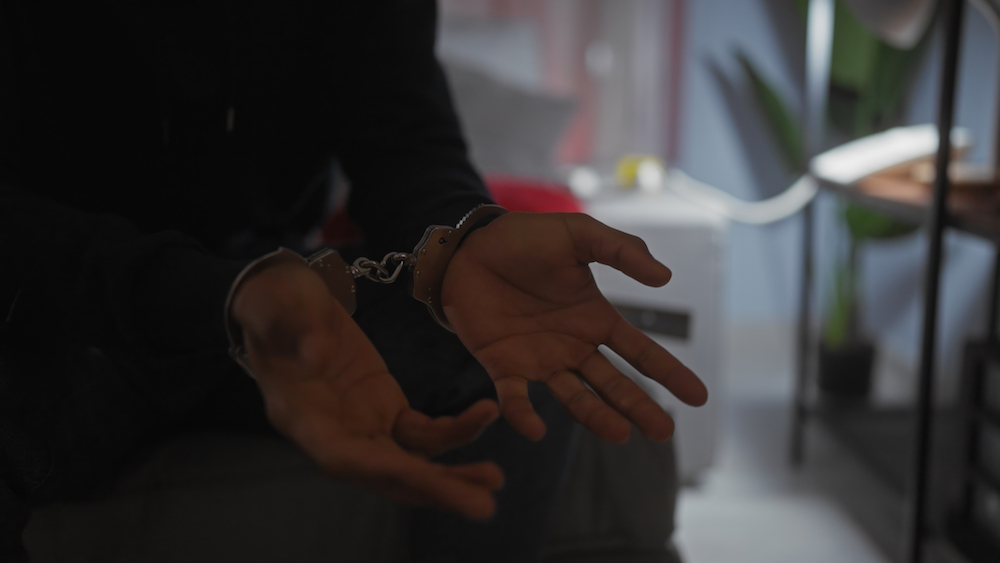
For domestic violence allegations in Michigan, the parties’ relationship can be part of the legal analysis. According to the law firm’s information, the relevant relationships include current or former spouses, co-parents, present or past dating partners, and current or former household members.
The period before officers arrived may also be relevant. Was a disagreement already underway? Who was present, and when did the interaction begin? Did anyone leave and come back? Were messages exchanged before or after what happened?
These questions are not about inventing an alternative account. They help domestic violence defense lawyers in Grand Rapids, Michigan understand the allegation in its actual sequence rather than treating the moment police arrived as the beginning of everything.
The specific charge is important as well. Michigan distinguishes among domestic violence offences; the practice notes that prior convictions can influence the seriousness of subsequent charges.
Why the Order of an OWI Stop Matters
Even a short impaired-driving investigation has a sequence worth examining. The timeline can include driving conduct, the basis for the stop, observations after contact, roadside exercises, statements, testing, and the eventual arrest. Each stage serves a different purpose, which can be lost in a compressed account.
Under MCL 257.625, Michigan refers to the offence as Operating While Intoxicated, abbreviated OWI. The firm’s materials describe a preliminary breath test, or PBT, as a roadside screening tool rather than trial proof of intoxication; it may be considered when determining probable cause.
For drunk driving defense lawyers in Grand Rapids, Michigan, reconstructing the encounter may be more useful than looking solely at a remembered test reading.
A Phone Can Hold Pieces of the Timeline
Some criminal allegations concern conduct officers never observed firsthand.
Sexual-offence allegations can concern earlier events in a dating relationship, family setting, or workplace interaction. The firm’s description notes that someone may learn an investigation is underway before an arrest occurs.
The chronology may then be distributed across several sources. Messages can show when people communicated; digital records may clarify the order of events; and participants’ statements may describe the same period differently.
A text message does not automatically prove or disprove an allegation. Rather, criminal sexual conduct defense lawyers in Grand Rapids, Michigan, may examine how messages, statements, credibility questions, and other available evidence relate to one another.
Remembered Moments Are Not Exact Timestamps
Stressful experiences are often remembered as moments rather than exact times. ‘Later that evening’ may sound clear in ordinary conversation while remaining too vague for an important legal issue.
Call histories, saved communications, photos, receipts, court paperwork, and similar records can sometimes supply useful timestamps. Which materials are relevant depends on the circumstances of the individual case.
Records should be preserved, not edited to improve appearances. A defence attorney can evaluate what may be significant and advise how that information should be handled.
The Full Sequence Matters More Than the Label
According to his professional information, Shawn Haff has practised criminal defence in Grand Rapids for over 16 years. The firm reports over 25 years of combined practice and more than 1,500 criminal matters handled. Its work spans OWI, domestic violence, assault, drug and weapons cases, sexual offences, retail fraud, expungements, and restoration of driving privileges.
Past outcomes, including dismissals, acquittals, reductions, or favourable pleas, cannot guarantee the outcome of a different case.
No two matters have precisely the same participants, facts, charges, and supporting information. This is why the details of the timeline deserve attention.
An arrest may take only minutes, and a charge may be expressed in a few words. Understanding what led to it may require slowing the evening down and examining events in the order they occurred.