
Have a look at how much work goes into planning a public park. Landscape architects have to consider the pedestrian circulation, accessibility and drainage concerns, as well as parking, lighting, the placement of playgrounds, and the way that different groups utilize the space. Yet one of the most often utilized structures that are located on the property could sometimes be treated as an off-the-shelf item.
A restroom deserves more consideration. It has plumbing or waste-handling requirements, accessibility standards, maintenance requirements, security issues, and building-code obligations. It has to also stand up to harsh weather conditions as well as years of use by public.
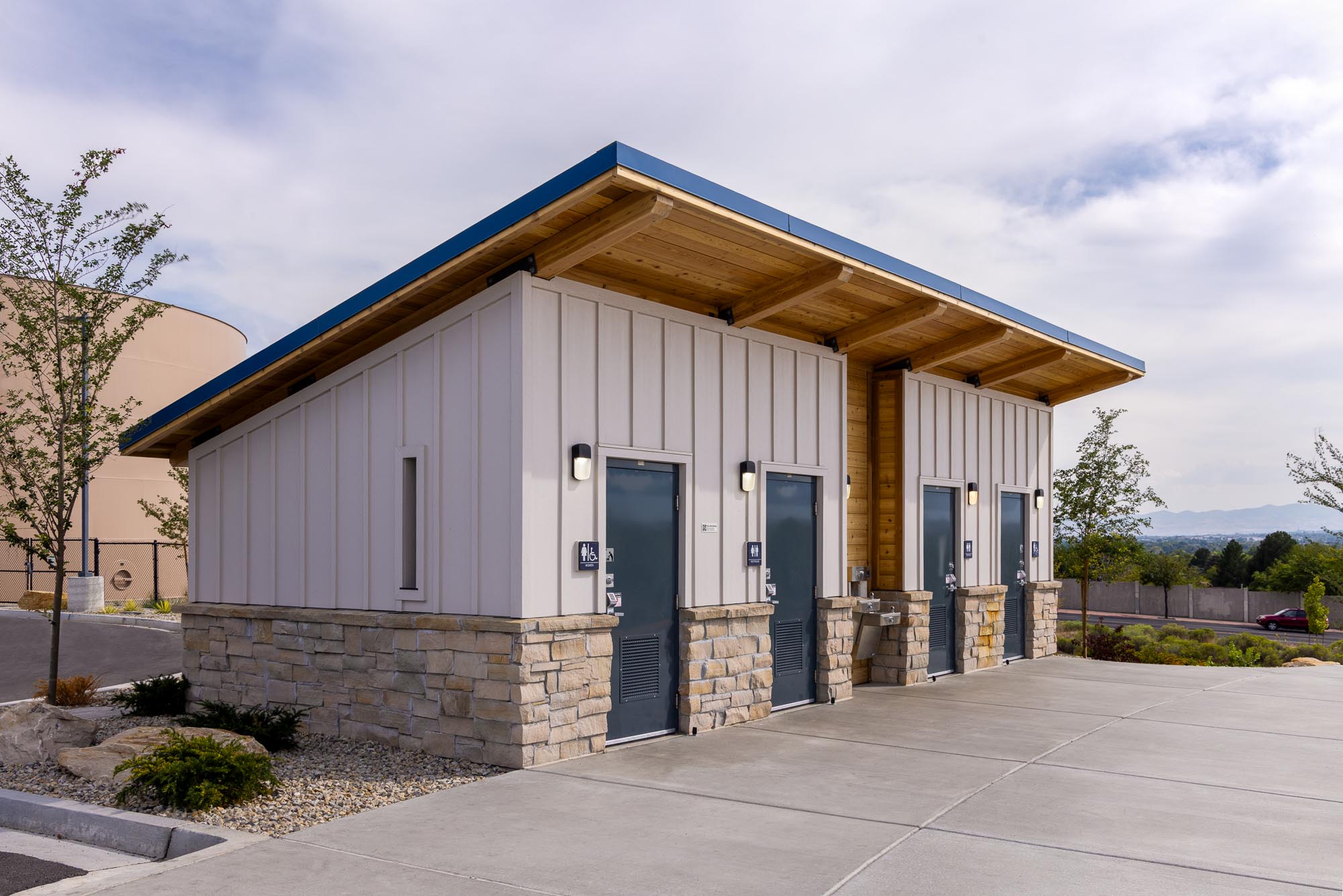
Image credit: romtec.com
Romtec’s strategy makes restroom design an integral part of overall plan of the site, not as an afterthought.
Prefabrication does not mean identical Buildings
The phrase “prefabricated restroom” in parks might suggest there is a limited choice of conventional constructions. A kit-based approach can work differently.
Romtec creates custom designs, provide the engineering documentation and the materials needed to construct the designs, along with drawings and specifications. Landscape architects have the ability to choose the architectural style and the appropriate materials for the design while drawing upon Romtec’s extensive experience in codes, ADA requirements, components price, and construction.
A city that is renovating an old community park, for instance could require a totally different design from a recreation department developing an athletic facility that is modern. Both can benefit from a co-ordinated building supply procedure, without needing to create the same architecture.
City Streets Make a Unique Design Challenge
Restrooms installed in dense urban settings have specific operating conditions. Toilets could be surrounded by pedestrian traffic. There are also worries about vandalism, security and cleaning.
The exterior design of the restrooms on sidewalks by Romtec includes visibility to encourage natural surveillance while maintaining the functionality that is expected from a public facility. It is important to use materials that need minimal maintenance and are resistant to vandalism, since frequent repairs could result in a significant cost to public agencies.
The goal isn’t simply to construct a better restroom. The layout, materials and the environment of the bathroom must all be in sync to make it easier for you to manage.
Sometimes, the most important question Is What’s Under the Sea
Before deciding what a restroom ought to look like and how it should be designed planners must first determine the infrastructure that is accessible.
In a city park that is well-developed, water, electricity and sanitary sewers are easily connected. If you connect these lines to a remote trailhead or campground the cost could be the most expensive cost.
For suitable locations, vault toilets provide a waterless alternative. Romtec provides these facilities with components, including its polyethylene one-piece riser. The material, which is a smooth, molded plastic, is chemical resistant and maintenance, and designed to deter bacterial growth. It is able to be placed in either new or existing vault toilet facilities.
People who arrive late after closing should be accommodated by a layout that is warm.
Visitors only get to experience a bathroom for the duration of a couple of minutes. Maintenance crews are forced to deal with the issue for a long time.
It’s the difference in perspective that matters. The surfaces that are difficult to clean, components that damage easily, and substances that are not well-suited to repeated cleaning can turn small design decisions into recurring expenses.
Serviceability and durability should be taken into consideration in the initial phases of design, along with the price and design. Sustainable materials, energy-efficient systems as well as vandal-resistant fixtures and sensible maintenance access can be a factor in the building’s longevity value.
Even a tiny building can be part of the landscape
The bathroom design isn’t required to look as attractive as the parks that surround it. But it shouldn’t look as if it was a blunder.
Romtec’s unique approach permits designers and public agencies to connect restrooms with other architectural elements like pavilions, shelters and pools. However, practical requirements like ADA accessibility and code compliance are at the forefront of the initiative.
If all these elements are incorporated into the overall picture, then the end result is not just an area in which toilets can be set up. It’s an element of public infrastructure that is specifically designed to serve the community and the environment it serves.